When Love Turns Into Vigilant Nervous Systems
My wife and I have been talking for a while about how much of our relationship we’re willing to share publicly.
Not because everything needs an audience, and certainly not because the internet is the ideal place to work through relational tension. Anyone who has spent five minutes in a comment section knows nervous systems rarely calm down there.
But we’ve both felt a pull toward being honest about the reality of long-term relationships. We’ve talked about podcast conversations someday, maybe even writing books about the journey. Not because we think we have everything figured out, but because real relationships rarely stay strong by pretending the difficult parts don’t exist.
For my part, I’m fairly all-in on working through this relationship and doing it publicly. That means trying to understand the patterns that show up between us, even when they’re uncomfortable to look at.
Some of that process has unfolded in public, not as a replacement for the real conversations that happen privately, but as a way of acknowledging that even people deeply committed to growth and connection still have to navigate messy emotional terrain.
One dynamic that has quietly shown up for us, and for many couples I’ve talked to over the years, is what I’ve come to think of as nervous system vigilance. It’s subtle, and it rarely begins with bad intentions.
When Love Starts Feeling Watched
There’s a moment that shows up in some relationships that almost nobody talks about openly.
Love is still present. The commitment is still present. On the surface nothing dramatic has happened, yet the emotional atmosphere in the room begins to change. The relationship starts to feel watched.
Not watched in the obvious sense of accusations or arguments, but in quieter ways. Tone shifts get noticed more quickly, pauses in conversation carry more weight, and emotional ripples begin to get interpreted instead of simply experienced.
The strange part is that this attention isn’t coming from a therapist, a mediator, or some outside observer. It’s coming from the person who loves you.
What began as care slowly becomes vigilance, and once vigilance enters the room something important begins to change inside the nervous system of the other partner.
The relationship hasn’t become hostile, but it no longer feels entirely relaxed either. Human beings change when they feel watched.
Where Vigilance Often Begins
It’s important to say something clearly here. Vigilance in relationships rarely appears out of nowhere. Most of the time a nervous system learns to scan because something earlier in the relationship felt unresolved, unstable, or painful. A moment of hurt that didn’t fully repair. A pattern that repeated a few too many times. Signals that something important between two people didn’t quite settle.
Sometimes the moment that created the vigilance is obvious. Other times it’s a slow accumulation of smaller moments that never fully settled. When that happens, the body begins paying closer attention. Not as an attempt to control the other person, but as an attempt to protect something that still matters.
Sometimes that vigilance also includes a great deal of restraint.
Pausing.
Giving space.
Waiting for the other person to notice what happened and repair it on their own.
That effort is real.
When someone repeatedly tries to hold themselves back and the repair they’re waiting for doesn’t fully arrive, the tension often builds quietly in the body until it eventually releases in a bigger reaction. When that later reaction is seen without the earlier restraint, it can easily be misread as overreaction rather than accumulated hurt finally finding a voice.
That’s part of the cycle many couples find themselves in.
When Awareness Quietly Becomes Monitoring
Even when vigilance begins as protection, it can still change the emotional atmosphere of a relationship. A nervous system that is scanning for signals tends to notice tone shifts, pacing changes, and subtle emotional cues very quickly. From the outside this can look like emotional awareness, even maturity, like someone who is deeply tuned in to the relational field.
But for the other partner, the experience can begin to feel different. It can start to feel like living under a microscope.
This dynamic usually shows up in small moments rather than dramatic confrontations. You finish speaking and notice the pause afterward feels slightly longer than expected. A casual comment carries more weight than you intended. Gradually the sense appears that your words are being evaluated instead of simply received.
Neutral moments start feeling loaded with meaning. Conversations begin to feel like they are being measured for interpretation rather than shared for connection.
Even when nothing is said directly, the other partner often feels the monitoring in the room. They feel the tension beneath the listening, and over time their nervous system begins adjusting to that atmosphere as well.
The Feedback Loop Nobody Intends
This is where the spiral quietly begins. One partner becomes vigilant in order to feel safe. The other partner begins to feel constrained by that vigilance, and their nervous system tightens under the pressure of being constantly interpreted. That tightening becomes the very signal the vigilant partner was scanning for in the first place.
Now the monitoring increases. The guardedness increases with it. Both people begin reacting to the tension created by the other person’s attempt to manage the tension. At that point the relationship gradually stops running on connection and starts running on protection.
Most couples never consciously choose this pattern. It forms quietly through a series of misunderstandings, incomplete repairs, and attempts to prevent future hurt.
I’ve lived on both sides of this dynamic myself. At different moments I’ve been the one feeling watched, and at other moments I’ve been the one creating the pressure without realizing it. It’s surprisingly easy to see the pattern in someone else and much harder to notice the ways we participate in it ourselves.
Why Public Conversations Only Go So Far
Sierra and I have both processed parts of our relationship publicly, and I’m not opposed to that. In many ways I believe it makes us more real and relatable, but public conversation has limits.
The internet can be an incredible place for exchanging ideas and exploring perspectives. What it is not particularly good at is regulating human nervous systems. Sharing the journey publicly can help people feel less alone in their own relationships. But the real work of repair still happens between the two people living it.
Real repair usually grows out of slower conversations, lower emotional intensity, and moments where neither nervous system feels like it has to defend its position. Those moments tend to happen in quiet rooms, not comment sections.
What Both Partners Often Need to Learn
When a relationship reaches this point, both nervous systems are usually trying to solve the same problem in different ways. One partner may attempt to create safety through awareness and interpretation. The other partner may need enough space and trust to feel like their words aren’t constantly being measured.
Neither strategy is inherently wrong.
Both strategies are attempts to protect love, even when they start working against each other, but both partners usually need something specific from the other.
The vigilant partner often needs clear, consistent signals of repair and safety, so the nervous system no longer has to keep scanning for danger.
The partner who feels watched often needs room to be imperfect without every moment being interpreted, so the nervous system can stay relaxed enough to remain present.
Repair begins when both people start getting curious about their own protective patterns instead of focusing only on the other person’s. That kind of humility isn’t easy, but it’s often the turning point.
Why I’m Willing to Lay This Out Publicly
If she and I ever write a book about our relationship someday, this will probably be one of the chapters. Not because we have everything figured out, but because we’re committed to working through the parts that are difficult instead of pretending they don’t exist. Two people can love each other deeply and still struggle to feel safe at times.
That tension doesn’t automatically mean someone is the villain. Sometimes it simply means two nervous systems learned different strategies for protecting themselves, and those strategies begin colliding once intimacy gets close enough.
One person protects through vigilance. The other protects through withdrawal. Both are trying to preserve the relationship in the only ways they know how. Most couples eventually reach a moment like this, whether they talk about it publicly or not.
Until both people are willing to lower the armor long enough to breathe together again, love often ends up standing quietly outside the door of the room.
Not gone... Just waiting to be invited back in.
And eventually every couple faces an uncomfortable question:
Are we trying to understand each other, or are we trying to prove who is right?
Sometimes the answers don’t show up in conversations. Sometimes they show up in quieter places. In the music we write. In the silence after the argument. In the moments when two people sit in the same room wondering if the storm has passed, or if the water is still moving beneath the surface.
I recently wrote a new folk-blues duet inspired by many of the reflections behind this piece.
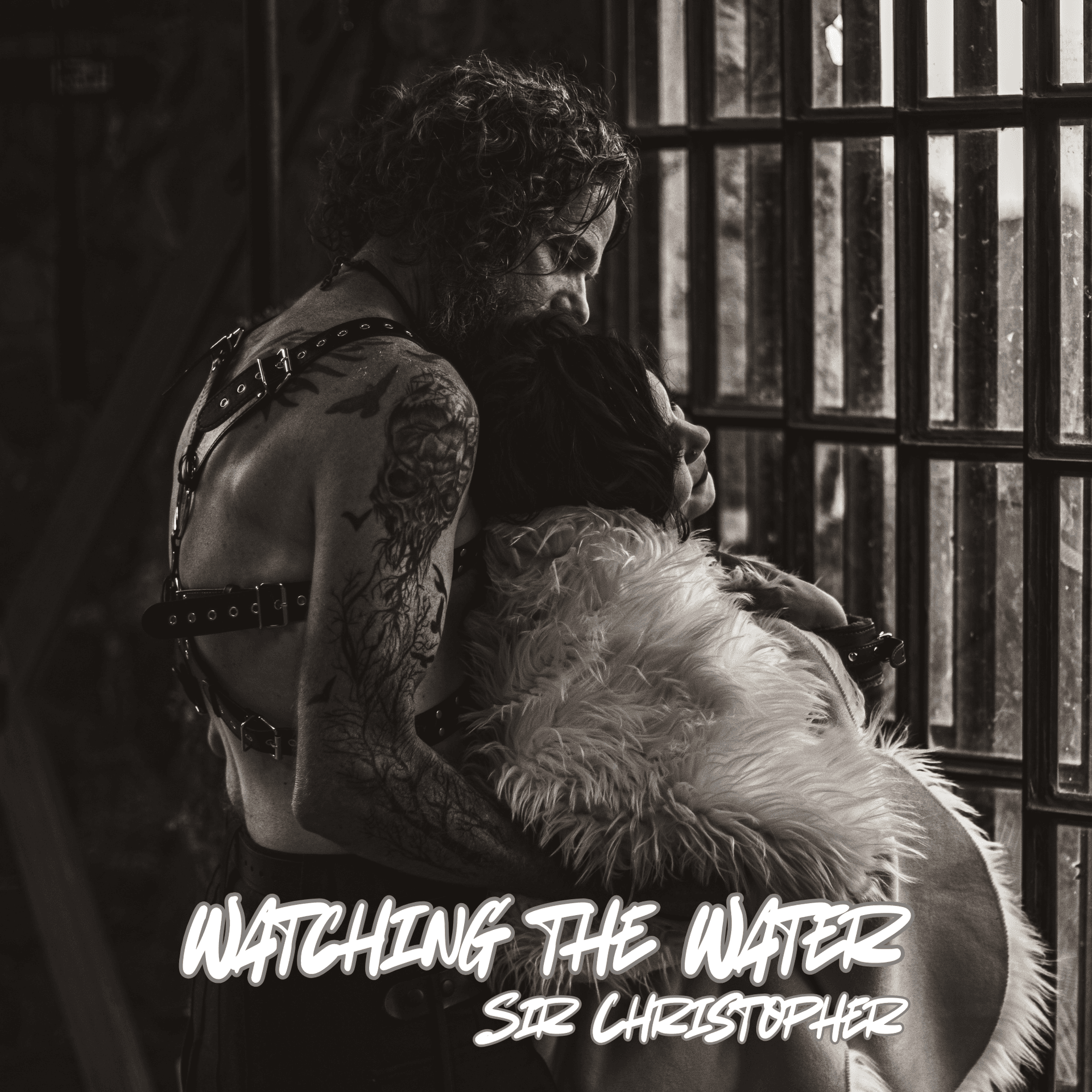
“Watching the Water” explores what happens when love slowly turns into vigilance, when two people begin reading every ripple like it might become a storm. It grew out of thinking about nervous systems, fear, repair, and the quiet emotional space that lingers after conflict.
Sometimes we think we’re watching the ocean.
Sometimes we’re really watching each other.
Listen to the early release here: