I Thought I Knew the Blueprint: What Five Marriages Taught Me About Love, Power, and Actually Doing the Work
What Five Marriages Taught Me About Love, Power, and Actually Doing the Work
I walked into five marriages convinced I understood how relationships should work, and I was wrong.
I had a vision for structure, power, and depth, and I believed that was enough. I believed in leadership, in polarity, in power exchange, and in the potential of polyamory and BDSM as more evolved ways of relating, and I carried that belief into each relationship with conviction.
What I didn’t understand, or more accurately what I never slowed down long enough to learn, was what it actually takes to build and sustain those dynamics in real life. Vision without skill is just fantasy wearing a confident voice.
Where It Started (Before I Knew What I Was Building)
My first marriage happened when I was 17, she was pregnant, and I stepped into what I thought was responsibility, not because I had a model for partnership or any real understanding of what a relationship should look like, but because it felt like the right thing to do in that moment. The truth is simple, I had no idea what I was doing.
There was no framework, no real communication skills, no understanding of emotional responsibility, just instinct, pressure, and a willingness to commit without knowing what I was committing to. My second marriage lasted 16 years, and while the circumstances were different, the underlying pattern was the same, I entered with commitment, but not with clarity. Commitment can carry something for years, even decades, but it doesn’t teach you how to build.
The Pattern I Couldn’t See Until I Slowed Down
Each relationship began with a sense of alignment and possibility, layered with my internal blueprint of how things should function, but what I consistently missed was the work required to bring another human being into that vision in a way that was grounded, negotiated, and sustainable.
I assumed structure instead of building it, I introduced intensity before trust was established, and when rupture showed up, I pushed forward instead of repairing. Over time, that creates distance whether you acknowledge it or not. I brought a map into every relationship, but I never stopped to ask if we were actually headed to the same place, or if either of us had the tools to get there.
Polyamory and BDSM Aren’t “Evolved” Without the Work
I still believe in these dynamics, and I still believe they can create depth, expansion, and honesty that many conventional relationships never touch, but there’s a reality I can’t ignore anymore. You don’t get to call something evolved if you’re not willing to evolve yourself inside of it.
Polyamory without emotional responsibility becomes avoidance with a permission slip, power exchange without structure becomes chaos dressed up as intensity, and leadership without attunement becomes control that eventually breaks trust.
I wasn’t failing because the dynamics were flawed, I was failing because I wasn’t doing the work required to hold them.
The Rupture That Finally Slowed Me Down
My current marriage didn’t just hit a rough patch, it ruptured, and for the first time I didn’t move past it or try to outthink it, I stayed in it.
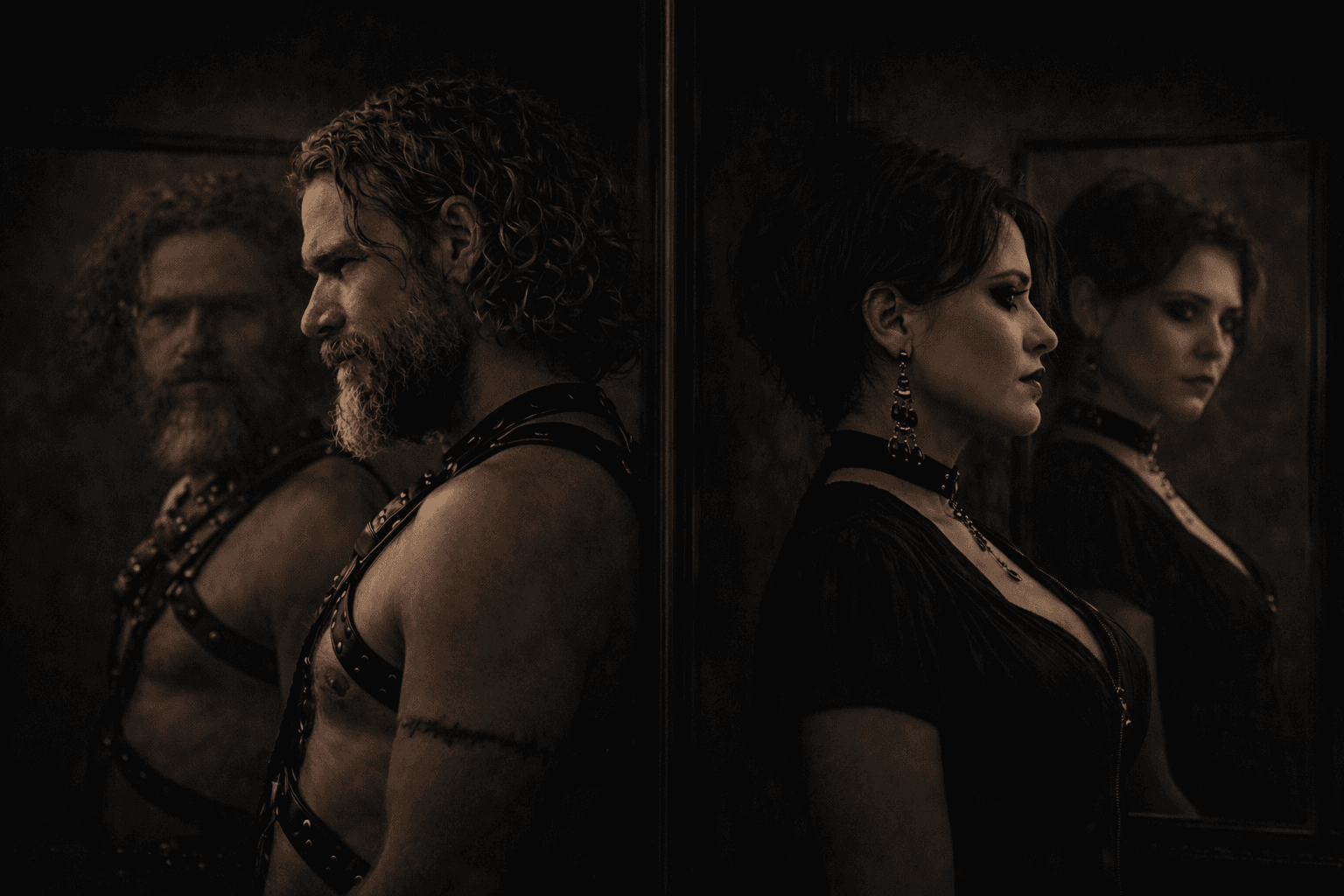
The last year has been less about fixing the relationship and more about dismantling the parts of me that thought I could lead one without fully understanding what that required. I had to look at where I overreached instead of led, where I assumed instead of asked, and where my desire for depth bypassed the need for safety and regulation. It wasn’t clean or comfortable, but it was real in a way my previous attempts at getting it right never were.
How I Actually Use AI in This Work
There’s been criticism about my use of AI in my coaching, with the assumption that if AI is involved then the work must be impersonal, and I understand where that concern comes from. It just doesn’t reflect what’s actually happening.
I was skeptical about AI for a long time. I didn’t trust it, and I wasn’t interested in bringing a tool into something as important as relationships. But as I started experimenting with it, I began to see what it could actually do, not replace thinking, but sharpen it, not remove responsibility, but increase awareness.
It helped me create language around my own experiences in a way I hadn’t been able to before, and it helped me slow down enough to see patterns I would have otherwise missed or moved past too quickly.
I’ve spent years as a builder, and one thing I know is this, the right tool doesn’t do the work for you, but it determines how well the work gets done. This is no different.
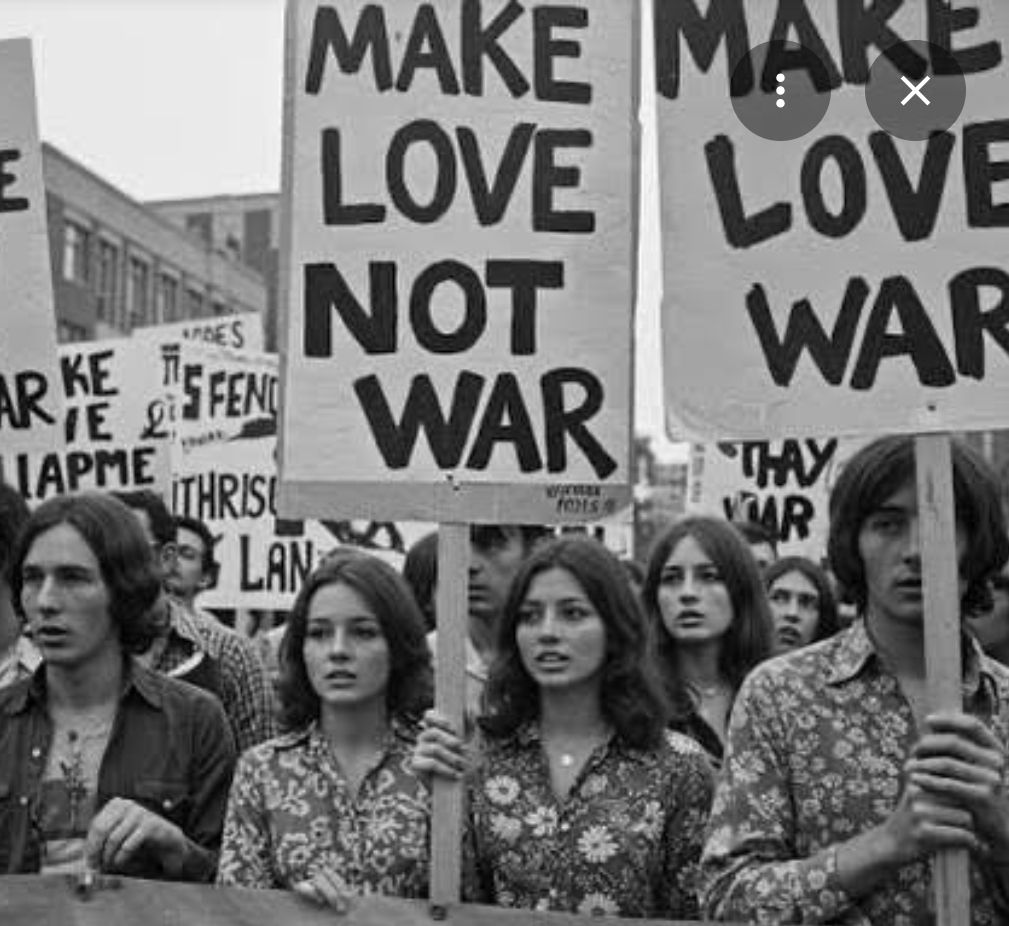
If AI can be used for something as serious as war, then using it to build stronger relationships feels like a responsible place to apply it, and I don’t use it selectively.
At this point in my life, at 50 years old, everything I’m building is intentional, and AI is integrated into all of it. My business plan is built with it, my marketing and social media presence are shaped through it, and my writing, reflection, and communication are all supported by it. Not because I’m avoiding the work, but because I’m fully engaged in it.
Everything you’re reading here still comes from my lived experience, from my own relationship, my own patterns, and the work I’m actively doing in real time. AI doesn’t replace that, it helps me articulate it, slow down, and put language to things that are difficult to name when you’re inside of them.
When clients work with me, they are messaging directly with me. Every response comes from me, every decision, every piece of guidance, and every interaction is grounded in my presence and experience.
At the same time, I use AI to process what’s happening in those conversations, to track patterns, to identify what might be missed in the moment, and to respond with greater clarity and intention.
Most people rely on instinct in conflict and call that authenticity, even when it leads to the same breakdowns over and over. I chose to do something more deliberate. Because when someone is trusting me with their relationship, I’m not interested in relying on memory and instinct alone. I’m interested in seeing as clearly as possible.
This isn’t automation, it’s amplification, and the presence, responsibility, and work are still mine.
I Put Myself Through the Same Work I Offer
I’ve answered my own intake questions, the same ones I ask my clients, and I’ve built a coaching structure around my own patterns, my own relationship, and the work I’m actively doing right now.
I’m not standing outside of this process pointing at it, I’m inside of it, engaging daily with the same level of reflection, structure, and accountability that I offer to others. This isn’t about having it all figured out, it’s about no longer pretending that awareness alone is enough.
There Is No Curtain
If you’re looking for the wizard behind the curtain, expecting to expose something artificial, you’re going to be disappointed.
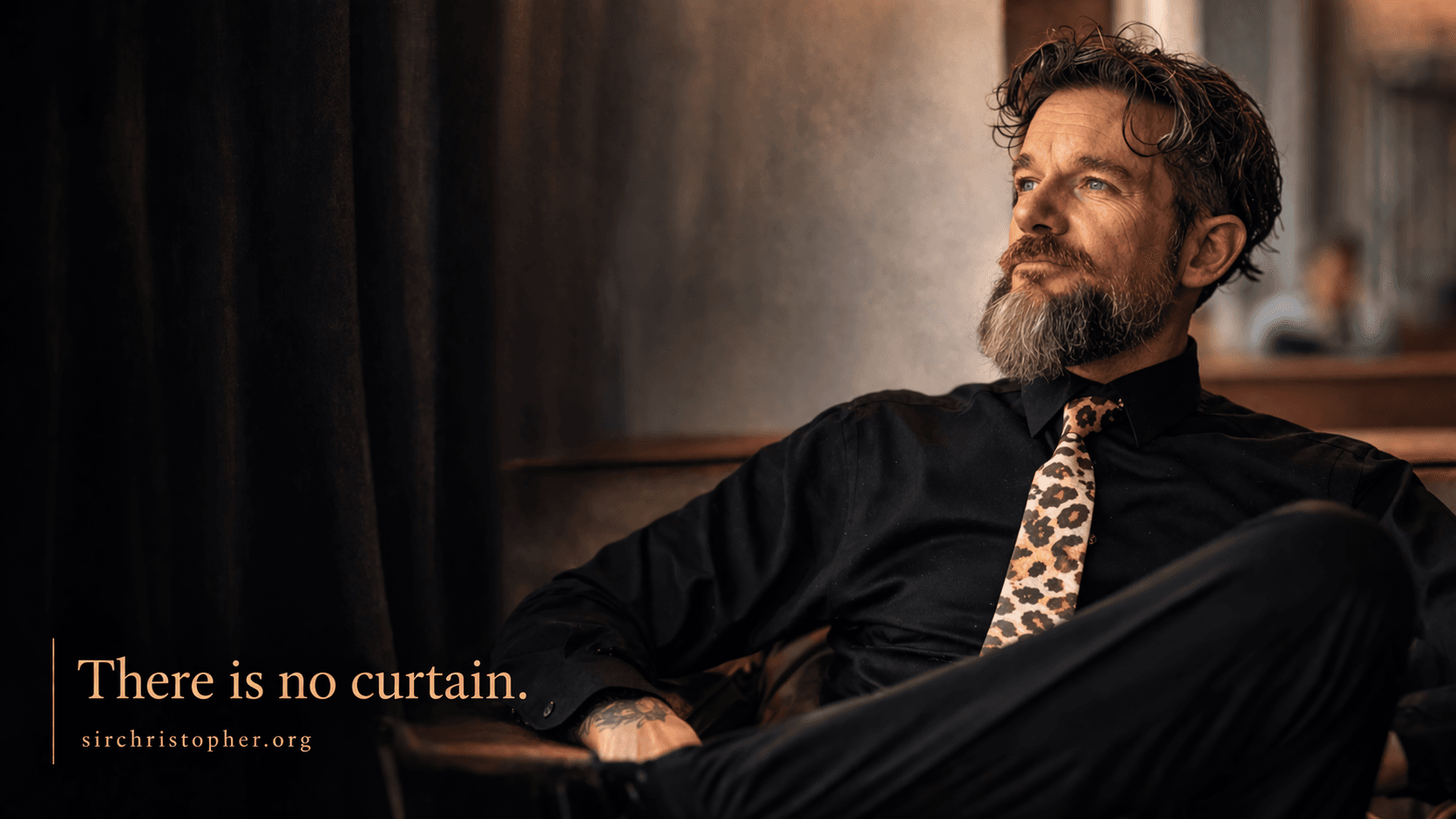
There is no curtain. There’s no performance, no separation between what I write, what I live, and how I coach, just real work, happening in real time.
Some of This Didn’t Come Out in Words
Some of this didn’t come out in words, because not everything I’ve lived through fits neatly into explanation. Some of it came out in a song.
Tidal Wave is a country blues track that follows the same thread as this blog, the weight of five marriages, the patterns I didn’t understand at the time, and what it feels like to finally see them clearly.
And yes, I wrote it with AI, not because I needed something to say it for me, but because it helped me translate the emotional side of this into something I could hear, not just think about. If the blog is the reflection, the song is what it feels like underneath it.
You can listen to Tidal Wave here:
https://open.spotify.com/track/4oezP0qSspm2YA8kXDgPiI?si=rS2AKFzOQNGqaoQ7zDFKzA
And if you find yourself there, take a little time with the rest of the album. Each song tells a different story from my life, different moments, different lessons, and different versions of me trying to understand what I was living through at the time.
A Direct Note to Men
Most of the people who have reached out to work with me so far have been women, and they’ve been willing to look closely at their patterns and engage this kind of work with intention. But I’m especially interested in working with men, and more specifically younger men, because I can see now how much of what I learned came through repetition, through failure, and through years of not understanding what I was actually doing.
A lot of men are walking into relationships with confidence and good intentions, and quietly repeating patterns they don’t yet have the language to see. That’s a problem worth addressing.
If You’re Seeing Yourself in This, Here’s the Next Step
If you’re seeing yourself in this, then you already know the problem isn’t awareness. The problem is knowing what to do with it. That’s the work I do.
You can start here:
https://sirchristopher.org/coaching
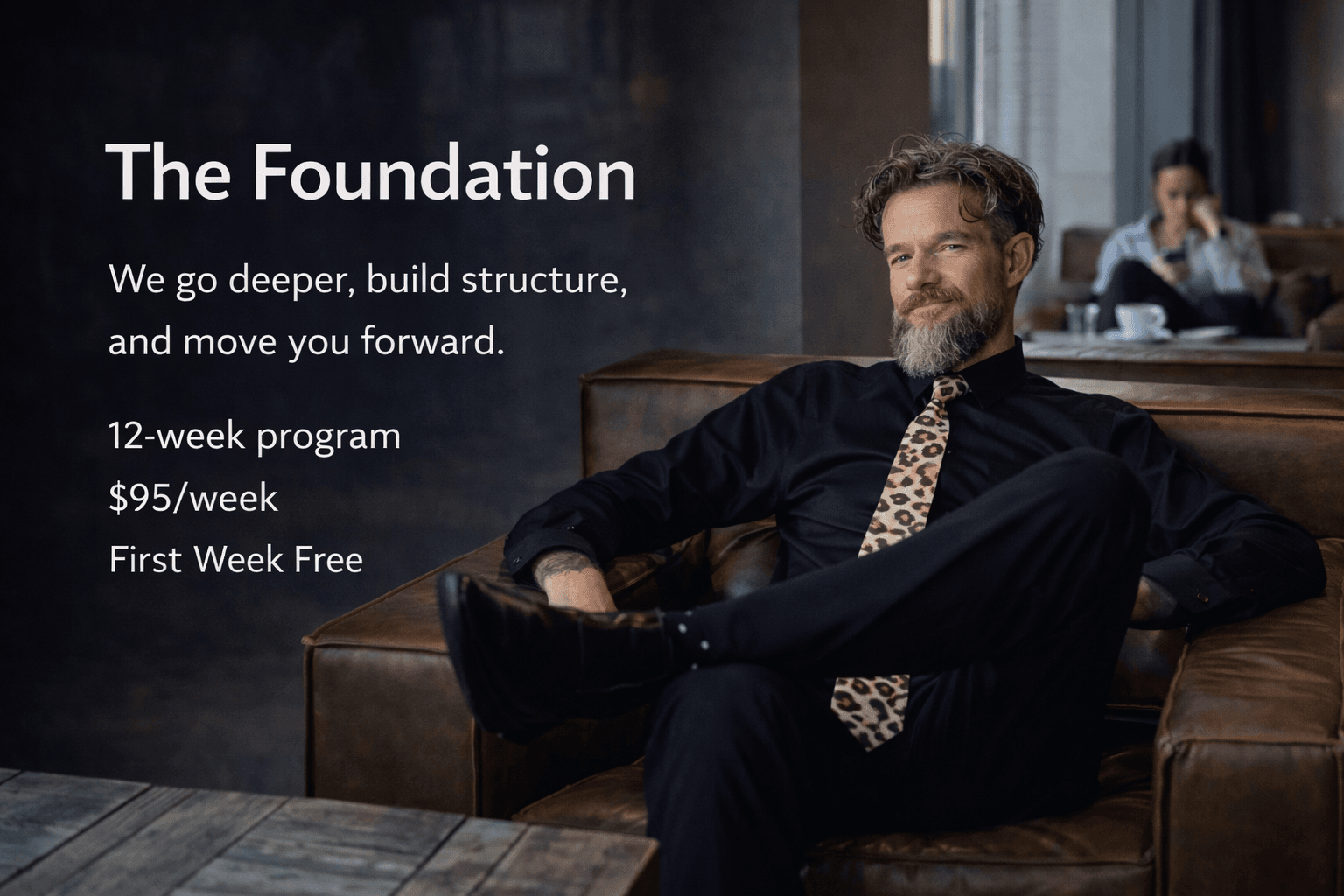
The Foundation is a 12-week coaching program designed to help you stop repeating patterns and start building something that actually holds, with weekly sessions, daily check-ins, and real-time support.
Because at some point, knowing better has to turn into doing better.