D/s Protocol: How structure turns intention into lived devotion
What Is D/s Protocol and Why It Matters
How structure turns intention into lived devotion
Protocol is one of the most misunderstood parts of Dominant/submissive relationships. People hear the word and imagine rigid rules, military formality, or control without tenderness. In reality, protocol is none of those things.
Protocol is how power is expressed with care. It is the set of agreed-upon behaviors that turn a D/s dynamic from an idea into a lived experience. Not just in the bedroom, not just during scenes, but in the quiet, ordinary moments where trust is built.
What D/s Protocol Really Is
D/s protocol is a consensual structure that defines how power flows between partners. It can be formal or soft, ritualized or intuitive. What matters is not how it looks to others, but how it feels to the two people inside the dynamic.
Protocol answers questions like:
- How do we acknowledge power?
- How do we reinforce safety?
- How do we return to connection when life gets loud?
Good protocol does not restrict freedom. It creates safety, and safety allows surrender.
Personal Examples From My Relationship
In my own relationship, protocol is woven into daily life in simple, grounding ways.
Each morning, she chooses her collar and brings it to me. I place it on her myself. This is not about ownership. It is about intention. We both start the day remembering who we are to each other.
When we walk together, I position myself between her and traffic. It is quiet, almost invisible to anyone else, but it is leadership in motion. My body says, I am aware. I am responsible. You are safe.
She waits for me to open doors. Not because she cannot open them, but because patience and trust are part of her submission. My follow-through reinforces that her waiting is honored.
When I extend my hand, she takes it. Always. That simple exchange carries more power than words ever could. It says: I see you. I choose you. I am with you.
In social settings, she prepares my plate and serves me. This is not about hierarchy in front of others or putting on a show. It is an act of service that grounds her submission and reinforces my responsibility to receive it with presence and appreciation. It keeps our dynamic intact even when the world around us is busy or distracting.
None of these actions are dramatic. None are performative. They are small, repeated signals that tell the nervous system, this dynamic is real and consistent.
Common Examples of D/s Protocol
Every relationship creates its own version of protocol, but some common examples include:
- Using titles or honorifics
- Asking permission before speaking in certain settings
- Rituals around collaring or uncollaring
- Specific postures, eye contact, or kneeling
- Daily check-ins or accountability rituals
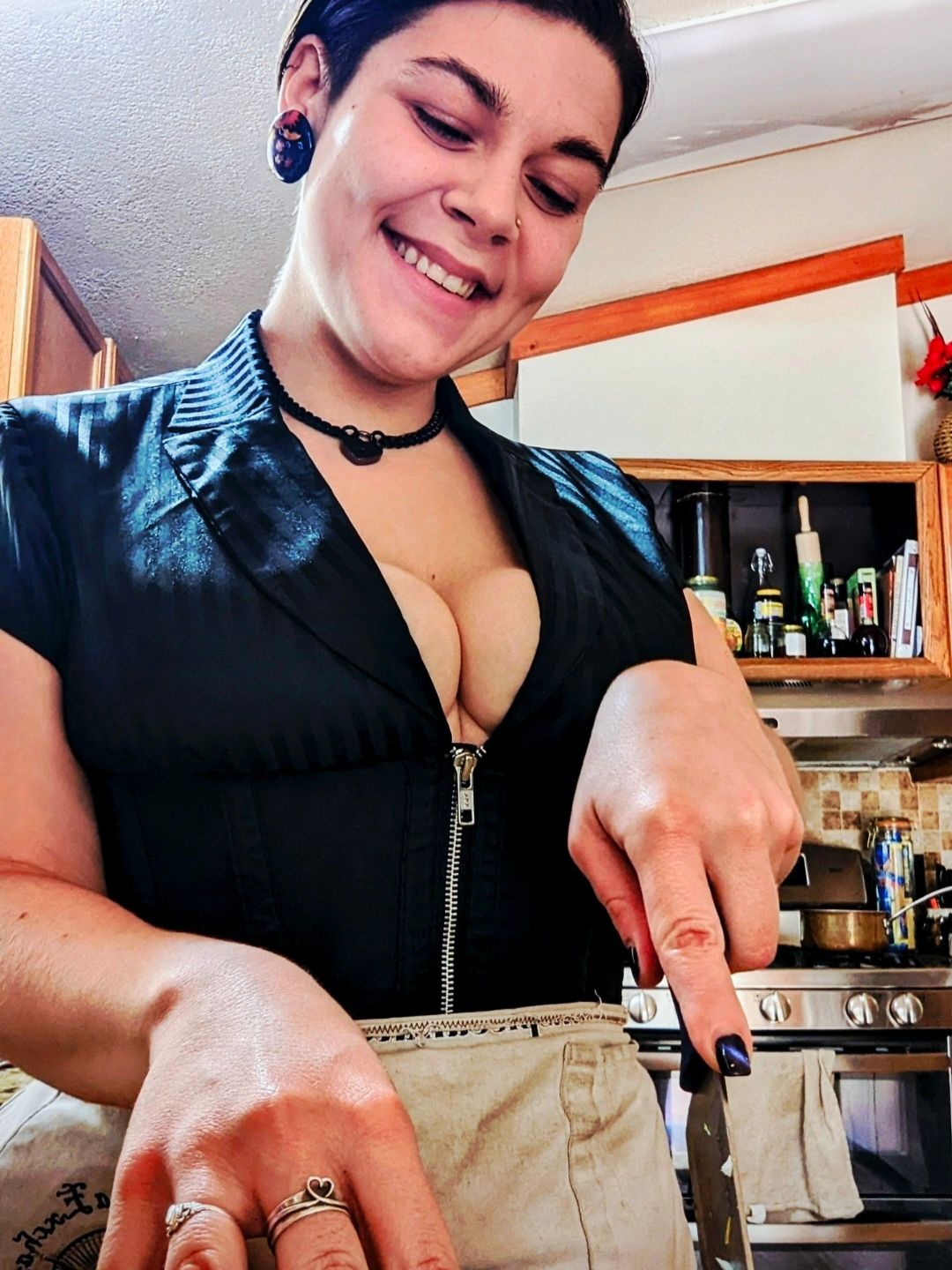
- Service behaviors like preparing meals, making coffee, laying out clothes, or tending shared space
- Waiting for doors to be opened or invitations to sit
- Rules around communication, tone, or response time
Protocol does not have to be constant. Many dynamics use scene-only protocol, while others integrate it into everyday life. Both are valid.
Why Protocol Is Important
Protocol does several crucial things at once:
- Reduces anxiety by clarifying expectations
- Builds trust through consistency
- Deepens surrender by making power predictable and safe
- Strengthens leadership by requiring presence and responsibility
Without protocol, power exchange can become vague or unstable. With protocol, it becomes embodied.
Protocol Is a Living Agreement
Protocol should evolve. Life changes. Nervous systems change. Relationships change. Healthy Dominants revisit protocol, not to loosen authority, but to refine it.
Correction should come from calm leadership, not frustration. Protocol failures are usually communication failures, not disobedience.
Final Thoughts
Protocol is not about being watched. It is about being known. It is not about dominance on display. It is about trust in practice.
When protocol is done well, it disappears into the relationship itself. What remains is connection, safety, and a depth of surrender that cannot be forced.
If you have questions, reflections, or want to explore protocol more intentionally, you’re welcome to reach out.
Email: [email protected]
— Sir Christopher the Great